Subtotal: $0.00

Dr. Arti Verma
- December 10, 2025
- Comment 0
Year 9 NAPLAN Guide: Every Parent
Needs for Senior School Success
Introduction
Year 9 is an important year for your child. It is the final year where they sit NAPLAN, and it is the year that quietly shapes the foundation for senior school. Your child begins to develop deeper thinking, more complex writing skills, and more mature study habits. They also start to understand subjects at a level that prepares them for Years 10, 11, and 12.
As a parent, you want to support your child in a calm and structured way. You want them to feel confident, organised, and ready for the demands of senior school. You also want to understand how Year 9 NAPLAN fits into this journey. This guide gives you a clear overview of how Year 9 supports future learning, how NAPLAN contributes to senior school readiness, and how you can guide your child through this year with confidence.
This is not about pushing your child or creating pressure. It is about understanding the role of Year 9, building strong habits, and preparing a stable foundation that supports senior school success.
Let us begin by understanding why Year 9 is such a significant year.
Why Year 9 matters for senior school success
Year 9 is often called the bridge year. Your child begins moving from junior high learning to senior high expectations. They develop academic independence, emotional resilience, and more complex thinking. Teachers introduce more advanced content across English, mathematics, science, and humanities. These new expectations prepare students for the demands of Years 10, 11, and 12.
Year 9 matters because it helps your child learn how to manage higher workloads, understand more abstract ideas, and work with greater consistency. They learn how to study, how to reflect, and how to build their own learning routine. These habits influence how well they manage senior school subjects.
Year 9 is also the final year your child completes Year 9 NAPLAN. This assessment is one of the clearest ways to understand how well your child is progressing in reading, writing, and numeracy. These skills are the foundation for senior school success. Strong reading leads to better understanding across subjects. Strong writing helps your child express ideas in English, humanities, and science. Strong numeracy supports mathematics and many practical subjects.
Year 9 is not simply another school year. It is the foundation of the learning pathway that will carry your child into senior school with confidence and clarity.
How Year 9 NAPLAN supports the transition to senior school
Year 9 is often called the bridge year. Your child begins moving from junior high learning to senior high expectations. They develop academic independence, emotional resilience, and more complex thinking. Teachers introduce more advanced content across English, mathematics, science, and humanities. These new expectations prepare students for the demands of Years 10, 11, and 12.
Year 9 matters because it helps your child learn how to manage higher workloads, understand more abstract ideas, and work with greater consistency. They learn how to study, how to reflect, and how to build their own learning routine. These habits influence how well they manage senior school subjects.
Year 9 is also the final year your child completes Year 9 NAPLAN. This assessment is one of the clearest ways to understand how well your child is progressing in reading, writing, and numeracy. These skills are the foundation for senior school success. Strong reading leads to better understanding across subjects. Strong writing helps your child express ideas in English, humanities, and science. Strong numeracy supports mathematics and many practical subjects.
Year 9 is not simply another school year. It is the foundation of the learning pathway that will carry your child into senior school with confidence and clarity.

How Year 9 NAPLAN Supports the Transition to Senior School
Year 9 NAPLAN plays an important role in the senior school journey. It helps you, your child, and your school understand how well your child is developing the skills they will rely on in Years 10, 11, and 12. These skills include analytical reading, clear writing, strong vocabulary, disciplined reasoning, and more advanced numeracy.
The purpose of Year 9 NAPLAN is not to judge your child. It is to give teachers information about learning strengths and gaps. These insights help schools prepare learning plans that support each student through senior school. If a child needs extra help in reading or writing, Year 9 is the perfect time to strengthen those areas before the workload increases.
It measures essential literacy for senior subjects
Senior school subjects require strong reading. Students read complex articles, extended essays, case studies, and technical information. Year 9 NAPLAN shows whether your child is ready to handle these demands or needs extra reading support.
It measures writing skills for senior assignments
Years 10 to 12 involve structured writing. Students write analytical essays, persuasive pieces, extended answers, and detailed reflections. Year 9 NAPLAN gives schools insight into how well your child expresses ideas, structures paragraphs, and uses language.
It measures numeracy for advanced mathematics and applied subjects
Senior school mathematics requires steady reasoning. Even students who do not pursue high level mathematics still rely on numeracy in science, health, technologies, and vocational pathways. Year 9 NAPLAN helps teachers understand whether students have the foundational reasoning they need.
It guides teaching for senior pathways
Schools use Year 9 NAPLAN results to plan targeted support. This may include literacy workshops, homework clubs, writing programs, or numeracy support. These early supports reduce pressure in senior school.
Year 9 NAPLAN is a helpful indicator. It gives you and your school clarity about what NAPLAN measures and your child’s readiness for the next stage of their education.
The Senior School Skills Your Child Builds Through Year 9
Year 9 is the best time to build the skills your child will need in senior school. These skills help them understand more advanced subjects, complete assignments, revise effectively, and communicate ideas clearly. When these skills are strong, your child enters senior school with confidence.
Here are the key senior school skills that develop in Year 9.
Deep reading comprehension
Senior school subjects require students to understand complex information. They read articles, explanations, scientific texts, case studies, and literature. In Year 9, your child learns how to read with depth, understand tone, interpret meaning, and connect ideas. These comprehension skills appear in Year 9 NAPLAN and continue to grow in senior school.
Structured and expressive writing
Writing becomes more demanding in senior school. Students must express ideas in a structured and clear way. They write essays, narratives, persuasive pieces, and extended responses. Year 9 helps your child learn how to develop paragraphs, use stronger vocabulary, and express ideas with clarity.
Numeracy that supports senior subjects
Senior school subjects rely on numeracy. Even subjects outside mathematics require interpretation of data, charts, graphs, and patterns. In Year 9, your child strengthens reasoning, problem solving, and the ability to break down multi step tasks. These skills appear in Year 9 NAPLAN numeracy and support your child across Years 10 to 12.
Independent study and self management
Senior school students must manage homework, deadlines, and revision. Year 9 introduces this level of responsibility. Your child learns how to organise tasks, plan homework, and revise steadily. These study habits support senior school success.
Reflective thinking
Reflective thinking helps students grow from mistakes. Year 9 encourages students to think about what they learned, how they learned it, and how they can improve. This reflection is important for senior school assignments that require evaluation and analysis.
Emotional resilience
Senior school brings new challenges. Year 9 helps your child develop resilience, handle pressure calmly, and learn how to manage feedback. These emotional skills help your child handle the academic expectations of senior school.
Year 9 is the perfect time to nurture these skills. When your child enters senior school with confidence in reading, writing, numeracy, and independent learning, they are ready for a successful journey.
Ready to get started?
Experience a full week of
NAPLAN tutoring at no cost.

How you can guide your child through Year 9 calmly
Your role as a parent is important. You help your child feel supported, organised, and steady. You guide them through Year 9 with confidence by creating a calm home environment where they can grow academically and emotionally.
Here is how you can support them in meaningful ways.
Encourage open conversations
Ask your child about their school day. Ask what felt interesting or what felt challenging. Listen without judgement. When your child feels heard, they are more open to learning and more willing to seek help.
Create simple routines
Year 9 students benefit from predictable routines. Create a study rhythm that includes time for homework, rest, and personal time. Routines reduce stress and help your child manage increasing school expectations.
Support reading in a calm way
Encourage your child to read a variety of texts. Senior school requires strong reading comprehension. In Year 9, you can support this by asking simple questions about what they read and helping them explore different text types.
Guide writing gently
Ask your child to talk through their ideas before writing. This builds writing confidence. Encourage short writing tasks at home such as small reflections or simple explanations. These habits build confidence.
Help with numeracy through real situations
Use daily life to support numeracy. Discuss costs, distances, or patterns. Ask your child how they would solve simple problems. This builds numeracy reasoning in a practical way.
Monitor their emotional wellbeing
Year 9 can feel overwhelming at times. Encourage your child to rest, balance study and wellbeing, and take breaks. Emotional stability is a major part of senior school success.
Avoid pressure
Avoid linking Year 9 NAPLAN to stress. Treat it as part of learning. Review our tips that actually works for a calm approach to NAPLAN. Calm guidance builds more confidence than pressure.
Your support helps your child develop confidence and independence as they prepare for senior school.
Building strong habits now for Years 10, 11, and 12
Senior school demands strong habits. The habits your child builds in Year 9 become the habits they carry into Years 10, 11, and 12. These habits support study, assignments, revision, and long term performance.
Here are the habits that matter most.
Consistent reading
Reading improves comprehension across all subjects. Encourage your child to read regularly. This habit strengthens comprehension and prepares them for senior school texts.
Clear writing structure
Writing is a major skill in senior school subjects. Help your child practise planning, paragraph building, and checking for clarity.
Steady numeracy reasoning
Numeracy supports science, mathematics, and applied subjects. Encourage your child to explain their thinking. This improves reasoning.
Task planning
Senior school students must manage assignments and deadlines. Help your child practise a preparation plan for homework and breaking large tasks into smaller parts.
Revision routines
Revision becomes important in Year 10 and beyond. Year 9 is the perfect time to learn how to revise. Encourage short revision sessions each week.
Organisation
Your child needs to track deadlines, prepare materials, and stay organised. Year 9 is a safe space to develop these skills before the workload increases.
Strong habits help your child feel prepared, focused, and confident when they enter senior school.
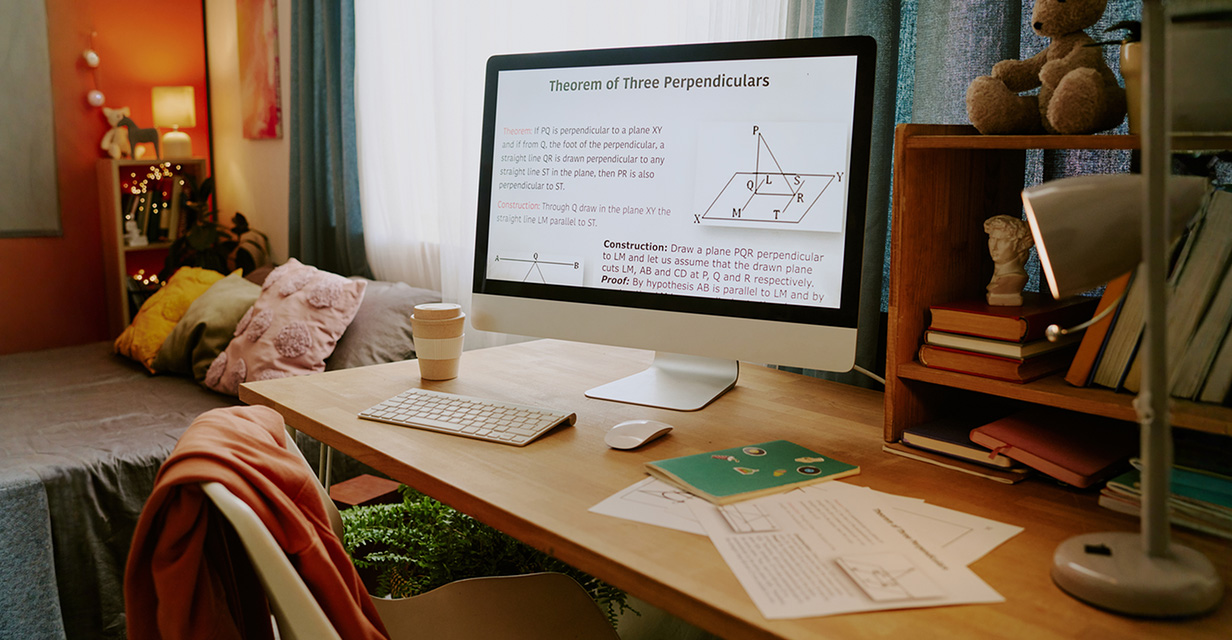
Creating a supportive home environment for senior school readiness
Your home environment plays a significant role in your child’s learning. A calm and supportive environment helps your child manage their responsibilities and focus on growth.
Here is how you can create a healthy foundation.
Provide a quiet space
A clear and quiet space helps your child focus. It also builds discipline and routine. Think of it as a calm practice environment for their studies.
Encourage balance
Balance between homework, hobbies, rest, and social time is essential. A balanced child learns better.
Model calm behaviour
Children learn through your behaviour. Stay calm during stressful moments. This teaches your child how to handle pressure.
Celebrate effort
Celebrate progress, not perfection. Recognise your child’s hard work. This builds motivation and confidence. Avoid the common mistakes of focusing only on results.
Support healthy habits
Good sleep, healthy meals, and light physical activity support learning. These habits help your child handle the Year 9 NAPLAN assessment and senior school with strength.
Your steady presence helps your child feel secure and confident. This foundation prepares them for the academic and emotional demands of senior school.
Ready to get started?
Experience a full week of
NAPLAN tutoring at no cost.
Resources used
Australian Curriculum Assessment and Reporting Authority
https://www.nap.edu.au/naplan
WA curriculum information
https://www.education.wa.edu.au/curriculum
Study on adolescent learning development
https://www.sciencedirect.com/science/article/pii/S0742051X2100049X
Research on literacy growth in secondary school
https://www.tandfonline.com/doi/full/10.1080/00131911.2019.1673935
Study on numeracy development in middle years
https://www.sciencedirect.com/science/article/pii/S0738059318300984
Helpful links
NAPLAN sample test questions
https://www.nap.edu.au/naplan/whats-in-the-tests
WA support for students
https://www.education.wa.edu.au/support-for-students
Parent information about NAPLAN
https://www.acara.edu.au/assessment/naplan
Public NAPLAN papers
https://www.acara.edu.au/assessment/naplan/naplan-2012-2016-test-papers