Currently Empty: $0.00

Dr. Arti Verma
- December 10, 2025
- Comment 0
How to Prepare Your Year 7 Child for
NAPLAN During the First Year of High School
Introduction
Year 7 is a major transition year for your child. It is their first year of high school and the first time they experience multiple teachers, new expectations, larger classrooms, different subjects, and more independence. With so much change happening at once, learning how to prepare for Year 7 NAPLAN becomes less about worksheets and more about developing strong study habits that support learning throughout the year.
As a parent, you want your child to settle into high school calmly. You want them to feel organised, capable, and confident. You want Year 7 NAPLAN preparation to feel natural rather than stressful. This guide focuses on the study skills and school habits that matter most. These habits help your child adjust to high school demands and give them the clarity needed to approach NAPLAN with steady confidence.
The goal is not to overload you or your child with endless tasks. The goal is to help you understand the type of routine that works well during the first year of high school. When you guide your child in this simple structure, they build habits that support Year 7 NAPLAN reading, numeracy, and language skills naturally.
Why study habits matter more in Year 7 than practice volume
Year 7 students often feel the difference between primary school and high school within the first few weeks. They have more subjects, more teachers, more movement between classrooms, and more responsibility. This new structure affects the way they learn.
Instead of focusing on long hours of practice for Year 7 NAPLAN, your child needs strong study habits that help them manage information better. High school learning is not about doing more work. It is about learning how to work smartly. When your child understands how to organise their school commitments, they naturally feel more in control of reading, numeracy, and language tasks.
Study habits become more important than practice volume because high school learning involves deeper thinking. Year 7 students must connect ideas, interpret information, read more complex texts, and solve multi-step questions. These tasks need clear thinking, not pressure.
A few strong habits influence Year 7 NAPLAN performance naturally. These include managing time, organising school materials, following a steady routine, staying updated with teacher instructions, and revising material slowly throughout the year. When these habits are established early, your child prepares for NAPLAN without feeling rushed.
Year 7 is the right time to build these habits because students are forming new learning behaviours. With your support, they can build routines that help them throughout secondary school.
Setting up a simple school routine that builds confidence
Year 7 students thrive on routine even though they appear more independent. A predictable routine reduces stress. It helps your child feel grounded in the middle of many new school adjustments. A routine also helps them stay organised across subjects.
A good routine does not need to be strict or long. It only needs to be consistent and clear.
Begin with a simple after-school rhythm. Encourage your child to take a short break as soon as they reach home. After the break, let them spend a few minutes organising the school items they need for the next day. This small step reduces morning stress and teaches responsibility.
Next, guide your child to complete school tasks in short sessions. Year 7 students concentrate best when tasks are broken into smaller pieces. Ask them what work they received in each subject and let them prioritise calmly. You can support them by helping them list tasks in order of importance.
Another useful habit is preparing a simple plan for the day. Your child can write a list of school tasks they need to complete. They can also include time for personal activities. When they follow this list, their confidence increases because they see themselves managing responsibilities independently.
Year 7 students also benefit from a calm bedtime routine. A consistent sleep schedule supports memory and focus. Sleep is essential for reading comprehension and numeracy reasoning. When your child sleeps well, their clarity during school hours increases.
A simple routine at home improves your child’s ability to handle school tasks. This improves their approach to Year 7 NAPLAN as well.
How to help your Year 7 child organise learning and manage time
Time management is one of the biggest challenges for Year 7 students. They need to learn how to balance homework, revision, school activities, and personal time. Many students feel overwhelmed because they do not know where to begin. You can help your child develop small organisational habits that make a big difference.
Begin with a single folder or binder for each subject. Encourage your child to keep class notes, worksheets, and handouts in the correct sections. Organisation reduces confusion and saves time. It also helps your child revise with more focus.
Next, help your child understand how to plan their time. Show them how to break tasks into smaller steps. For example, if they have a reading task, they can break it into reading, summarising, and checking understanding. This reduces the feeling of being overwhelmed.
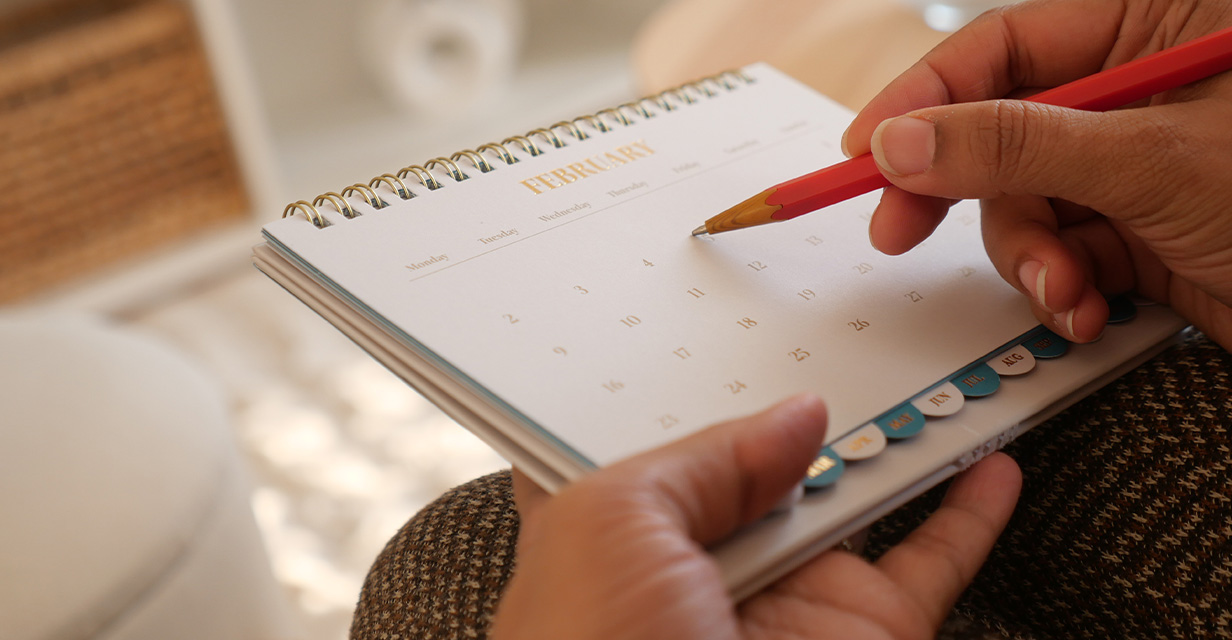
Teach your child how to use a simple weekly schedule. This schedule does not need strict timings. It only needs clarity. Your child can decide which days they revise certain subjects. In this way, they avoid last-minute pressure and build a strong habit of steady learning.
Encourage your child to regularly check their school portal or teacher instructions. Many Year 7 students forget to follow new information. Regular checking helps them stay organised and avoid stress.
Time management also involves learning how to pause and return to tasks. Year 7 students sometimes avoid difficult tasks because they feel stuck. Teach them that it is fine to pause, take a break, and return with a fresh mind. This builds resilience.
Good time management naturally supports Year 7 NAPLAN because your child handles reading, numeracy, and language tasks with more confidence and less rushing.
Ready to get started?
Experience a full week of
NAPLAN tutoring at no cost.

Reading and numeracy study habits that support NAPLAN naturally
During the first year of high school, your child needs reading and numeracy habits that build skills slowly across the year. These habits make Year 7 NAPLAN preparation feel smooth instead of intense.
For reading, your child needs to learn how to read actively. Active reading means reading to understand ideas rather than reading to finish. Encourage your child to pause after a paragraph and describe the main idea in their own words. This builds comprehension and strengthens their thinking.
You can also guide your child to read different types of texts. Encourage them to explore articles, reports, stories, and explanations. Year 7 NAPLAN reading tasks include a range of text styles. Regular exposure to a variety improves flexibility.
Vocabulary growth is another important reading habit. Ask your child to identify new words during reading and guess their meaning. Later, they can confirm the meaning. This builds confidence with unfamiliar texts.
For numeracy, the most important habit is understanding the reason behind each step. Year 7 students need to explain their thinking clearly. Encourage your child to talk through their solution. Ask them why they chose a certain method. Asking these questions builds mathematical reasoning, which supports Year 7 NAPLAN numeracy.
Encourage your child to practise small numeracy tasks regularly instead of long sessions. This builds comfort with numbers. Ask them to explain word problems aloud. This improves their ability to translate information into action steps.
The final habit is accuracy. Encourage your child to check their work calmly. This teaches patience and reduces careless errors during NAPLAN.
These small habits build strong foundations for reading and numeracy without creating pressure.
How to guide your child to communicate with teachers confidently
Communication with teachers is an important skill in Year 7. Many students feel shy asking questions. They worry that they may look confused. They hesitate to speak when something is unclear. This affects learning and increases stress during NAPLAN-style tasks.
You can help your child understand that asking questions is a sign of responsibility. It shows that they want to learn. Help your child create simple sentences they can use with teachers. For example, they can say I am not sure about this step or Can you show me another way or I did not understand this part fully.
Encourage your child to speak to their teacher during class or after class. Remind them that teachers expect questions in Year 7. Teachers feel happy when students show interest in learning.
Another important area is checking instructions. Many Year 7 students forget to clarify deadlines or reading tasks. Encourage your child to ask teachers when instructions feel unclear. This reduces mistakes and improves confidence.
Support your child by showing that it is natural to seek help. Tell them that learning involves asking and clarifying. When your child learns to communicate confidently, they handle reading and numeracy tasks with more clarity.
Good communication builds strong habits that directly support Year 7 NAPLAN preparation.
Creating a balanced routine between school learning and home learning
Year 7 students often feel a big difference between school hours and home hours. They may feel tired after a full school day. They may feel unsure about how much to revise at home. A balanced routine helps your child manage learning calmly and healthily.
Begin by making home learning short and simple. Your child does not need long sessions. They need small bursts of revision. Ten to fifteen minutes of review for reading or numeracy goes a long way. This builds a steady habit without creating strain.
Encourage your child to use weekends for gentle revision. This is not about long worksheets. It is about revisiting school notes, reading something they enjoy, or practising a few numeracy questions calmly.
Another key part of balance is encouraging your child to take breaks. Breaks support concentration. Short breaks help the mind reset. These breaks improve focus during reading and numeracy tasks.
Encourage hobbies and physical activity. Year 7 students need time for relaxation to maintain emotional balance. A well-balanced child learns more effectively. They also approach NAPLAN tasks with more confidence.
Do not make home feel like an extension of school. Keep learning relaxed and structured, not intense. Balance helps your child feel in control of their Year 7 learning.

Guiding Your Child with Confidence
Preparing your child for Year 7 NAPLAN during the first year of high school is not about pressure or perfection. It is about building strong learning habits. When your child manages time well, organises school material, communicates confidently, and approaches reading and numeracy calmly, they handle NAPLAN naturally.
Your role is not to teach every topic. Your role is to guide. You help your child build routines that support their new school environment. You help them develop independence. You help them manage the emotional and academic changes of high school.
When your child feels supported rather than pressured, they learn with clarity. They develop confidence. They build habits that last through secondary school. And they approach NAPLAN with calmness and maturity.
Your guidance shapes the way your child learns. A calm parent creates a calm learner. A calm learner performs with confidence.
Ready to get started?
Experience a full week of
NAPLAN tutoring at no cost.
Resources used
Australian Curriculum, Assessment and Reporting Authority
https://www.nap.edu.au/naplan
Year 7 learning expectations in Western Australia
https://www.education.wa.edu.au/curriculum
Study on reading comprehension development in adolescents
https://www.tandfonline.com/doi/full/10.1080/10573569.2021.1923100
Research on numeracy reasoning and student cognition
https://www.sciencedirect.com/science/article/pii/S2212868921000507
Study on parent support and secondary school transition
https://link.springer.com/article/10.1007/s10212-020-00495-7
Child confidence and learning behaviour research
https://www.ncbi.nlm.nih.gov/pmc/articles/PMC7082257
Helpful links
NAPLAN information and sample style
https://www.nap.edu.au/naplan/whats-in-the-tests
WA literacy and numeracy support
https://www.education.wa.edu.au/support-for-students
NASSSA support for secondary transition
https://www.nasssa.com.au/literacy-and-numeracy-support
NAPLAN public past papers
https://www.acara.edu.au/assessment/naplan/naplan-2012-2016-test-papers